
Your role in the community
Introduce yourself. Early in the year, say hello and exchange contact info with neighbors who rent or own nearby. Let them know how to reach you if something comes up.
Respect your neighbors’ routines. Depending on where you live, your neighbors may be working adults, families with kids, or other students. Be mindful of different schedules, and talk with your roommates early about shared expectations (like visitors and quiet hours).
Get involved in your neighborhood. Ann Arbor neighborhood associations share updates and host events. Learn what’s happening where you live and look for ways to get involved.
Keep noise down. Try to keep things quiet between 10:00 p.m. and 7:00 a.m. If there’s an issue, talk it through early on and aim for solutions that don’t involve the police.
Park legally and respectfully. Use your driveway or assigned spots, or park only where it’s legal on the street. Don’t block sidewalks or park on lawns, and don’t use a neighbor’s spot without asking.
Be a responsible host. Celebrating at your place can be a great way to mark big moments (like graduation)—and it’s also on you to keep things safe, respectful, and legal.
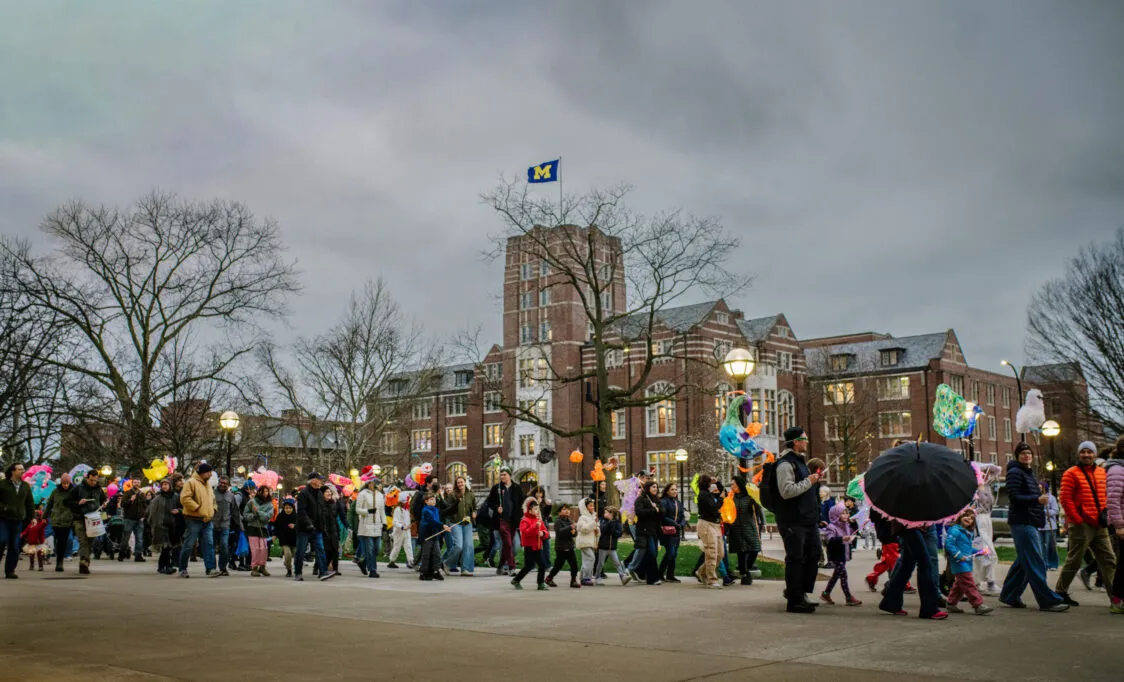
Great gatherings come with great responsibility
-
Plan your party
- Provide options that work for guests who don’t drink.
- Set expectations early (start/end time, guest list, noise, and respect for neighbors).
- Look out for your friends and check in—make sure people feel comfortable with the plan.
-
Be ready to step in
Hosts can be held responsible for harm an intoxicated guest causes or experiences—during the party or after leaving. Be prepared to:
- Discourage excessive drinking and keep an eye on what’s happening.
- Stop serving alcohol to someone who’s clearly intoxicated.
- Offer water, food, or non-alcoholic options.
- Prevent impaired driving—help arrange a safe ride (bus, cab, or a sober driver).
-
Party checklist
Use this checklist to ensure your event stays safe, respectful, and manageable from start to finish:
- Water and other non-alcoholic drinks
- Food (especially protein-based options)
- A plan for sober rides (designated drivers or ride options)
- Phone numbers for cab/transportation services
- Download the Stay in the Blue app
- Know the signs of an alcohol emergency and what to do
Need help with a conflict?
Don’t wait to ask for help. While we provide this information as a general guide, navigating a conflict often requires expert legal advice. If a situation begins to escalate, reach out to:
-
Dean of Students Office
Read more about Dean of Students OfficeSupport for students navigating concerns that affect well-being and success, including help identifying next steps and connecting to campus resources.
-
Office of Student Conflict Resolution
Read more about Office of Student Conflict ResolutionConfidential conflict coaching, meditation, and restorative practices to help you address interpersonal issues early and work toward workable solutions.
-
Student Legal Services
Read more about Student Legal ServicesLegal advice and assistance for eligible U‑M students on common issues like leases/tenant rights, disputes with landlords, and other off-campus living concerns.
-
Community Standards
Read more about Community StandardsThis unit within the Ann Arbor Police Department helps maintain neighborhood quality of life. Visit their site to file a confidential complaint regarding property maintenance, noise, or trash violations.
Local rules students frequently ask about
Living off campus means you’re also part of the Ann Arbor community. The examples below highlight local rules that commonly affect students.
-
Noise Violations
Noise heard beyond your property line between 10 p.m. and 7 a.m. can be a misdemeanor. Ann Arbor also prohibits unreasonably loud noise at any time that disturbs others. Outcomes vary, but can include fines, community service, or other requirements.
-
Trash and litter
Keeping trash/litter on the exterior of your property can be a civil infraction, with fines of $100+ for a first offense. Each day litter remains may count as a separate offense.
-
Snow and ice removal
After more than 1 inch of snow, you typically have 24 hours to clear sidewalks and crosswalk ramps adjacent to your property. Treat ice promptly with sand or salt. If the city has to clear it, you may be billed for the cost plus a $50 administrative fee.
-
Upholstered furniture ban (outdoors)
Upholstered furniture not designed for outdoor use is not allowed on exterior porches, balconies, decks, or other exposed areas. The city may order removal by a deadline; if it’s not removed, the city may remove it and charge costs plus a civil infraction fine.
-
Alcohol in public / open container
Drinking alcohol on public property (sidewalks, streets, alleys, parks, parking structures/lots) is illegal. An “open container” generally means the seal has been broken; having it on public property can result in a misdemeanor charge.
-
Minor in possession/consumption (under 21)
If you’re under 21, possessing, purchasing, attempting to purchase, or consuming alcohol is illegal. A first offense is typically a civil infraction with a $250 fine; a second offense can be a crime with additional consequences.
-
Driving under the influence
In Michigan, drivers under 21 can face DUI consequences at a BAC as low as .02. Penalties can be severe and long-lasting.
-
Fake IDs
Using or possessing a fake ID is illegal. This can include altered/forged IDs, loaning an ID, or using someone else’s ID as your own. Outcomes vary and can include criminal charges.
-
Marijuana
Michigan law allows adults 21+ to possess and use marijuana (up to 2.5 oz). People 18–20 may face civil infractions for possession. Regardless of age, larger amounts, distribution, and impaired driving can still lead to criminal charges.
Important: Marijuana remains illegal under federal law and is prohibited on all University of Michigan property, including residence halls and campus grounds.
-
Disorderly conduct
Ann Arbor prohibits disturbing the peace through loud/aggressive behavior, harassment, public urination, and damage to public property. Public urination may result in serious charges, including indecent exposure.